

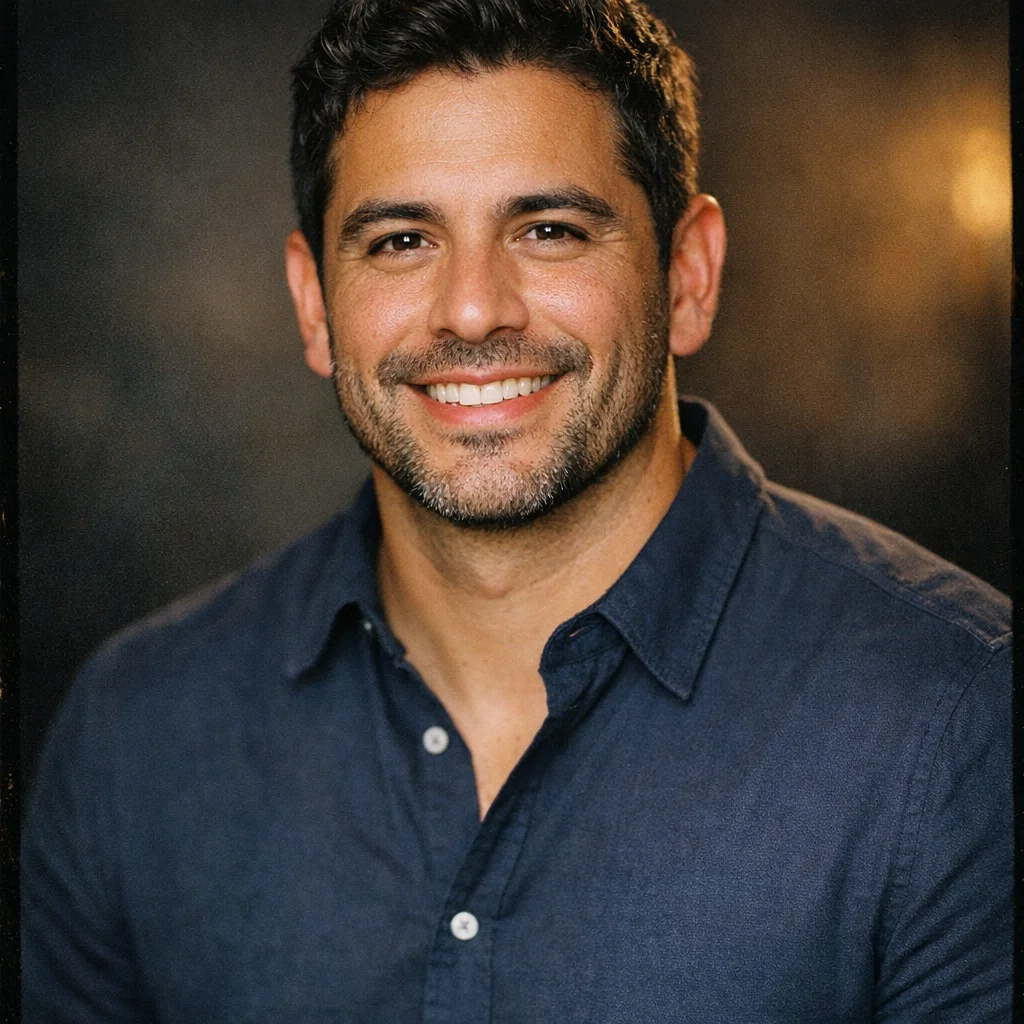


From Vee's Desk
"6-max is where modern poker lives. It's more aggressive, more profitable, and more intellectually challenging than full ring. If you want to beat today's games, 6-max strategy is essential. It's where I learned to think multiple steps ahead."
Meet Victoria ChenWhat is 6-Max Poker?
6-max is poker played with a maximum of 6 players at the table instead of the traditional 9-max (full ring). This format fundamentally changes poker strategy, making the game more aggressive, dynamic, and positionally sensitive.
In 6-max, you play more hands because the effective stacks are larger relative to the blinds, and position becomes even more critical. Positions shift from tight full-ring play to aggressive 6-max play. The wider opening ranges and increased 3-betting create a fundamentally different strategic environment.
6-Max Core Concepts
- Fewer players create bigger blinds pressure
- Position is king in short-handed games
- Wider opening ranges and aggressive play
- 3-betting increases significantly
- Post-flop play is more aggressive
6-Max vs Full Ring
| Factor | 6-Max | Full Ring |
| Players per Table | 6 | 9 |
| Play Style | Aggressive | Conservative |
| Opening Ranges | Wide | Tight |
| 3-Betting Frequency | High | Low |
| Position Importance | Critical | Important |
6-Max Opening Ranges by Position
In 6-max, position determines your opening range more than any other factor. Here are recommended opening ranges for different positions.
Button (BTN)
The strongest position. Open 40-50% of hands. Include small pairs, weak aces, and suited connectors. This is your profit position.
Cut-Off (CO)
Second best position. Open 30-35% of hands. Play premium pairs, broadway cards, and broadway suited connectors with confidence.
High Jack (HJ)
Middle position. Open 22-25% of hands. Tighten from UTG significantly. Focus on pairs and broadway cards.
3-Betting Strategy in 6-Max
3-betting is much more common in 6-max than full ring. Use both value and bluff 3-bets to maximize profit.
Value 3-Bets (60% of 3-bets)
3-bet with premium hands: AA, KK, QQ, AK. These hands are ahead against opening ranges and generate value. Mix in some slightly weaker value like JJ-TT to balance your range.
Bluff 3-Bets (40% of 3-bets)
3-bet bluff with hands that have good playability: AQ, AJ, KQ, and small pairs. These hands fold out worse made hands and have equity if called.
Positional 3-Betting Frequencies
3-bet button opens 12-15% of the time. 3-bet CO opens 10-12%. 3-bet HJ opens 8-10%. Use larger 3-bet sizes in position (3x) and slightly larger out of position (3.5x).
3-Betting Adjustments
Against tight opponents, 3-bet more to win pots. Against aggressive opponents, 3-bet more value and fewer bluffs to avoid 4-bets. Adjust based on opponent stats and tendencies.
Post-Flop Adjustments for 6-Max
6-max post-flop play is more aggressive with more 4-betting, more bluffing, and tighter ranges.
C-Betting Frequencies
C-bet 75-85% on most flops in position. Out of position, c-bet 50-60%. Choose flops where your range is strong compared to opponent's calling range. Skip c-betting marginal hands on wet boards.
Aggression in 6-Max
Be willing to barrel turn and river in position. Play exploitatively against calling stations by value betting more and bluffing less. Play aggressively against tight folders to steal pots.
Check-Raising
Check-raise sparingly on coordinated boards where you have nutted advantage. Avoid check-raising marginal hands. Use check-raise as a value tool, not a bluff vehicle.
4-Bet Strategy
Accept 4-bets only with AA, KK, QQ, AK, and AQ. Fold weaker value hands. 4-bet bluff rarely unless you know your opponent 3-bets too wide. Keep 4-bet ranges tight.
Pot Control
Control pot size with marginal hands out of position. Avoid facing 3-streets of aggression out of position with non-premium holdings. Play more cautiously with weak hands.
Board Runouts
Understand how flop texture changes your c-betting strategy. Dry boards (AKQ-T): c-bet often. Wet boards (connected, paired): c-bet less frequently. Adjust frequencies based on range advantage.
Essential HUD Stats for 6-Max
Use HUD data to identify exploitable opponents and track your own performance.
Bankroll Requirements for 6-Max
Proper bankroll management is critical for 6-max games where variance is higher than full ring.
Recommended Bankroll Levels
20-30 buy-ins recommended. At this level, focus on fundamentals and reading opponents. Games are less aggressive.
25-35 buy-ins recommended. Games get more competitive. Maintain healthy bankroll to weather downswings.
30-40 buy-ins recommended. Solid fundamentals and game selection essential. Variance increases significantly.
40-50 buy-ins recommended. Play only when you're a strong winner at lower limits. Game selection is critical.
Advanced 6-Max Strategy Tips
Master Position First
Position is more important than hand strength in 6-max. Play more hands in late position, fewer in early position. Position advantage translates directly to profitability.
Balance Your 3-Betting
Mix value and bluff 3-bets in proper ratios. Too many value 3-bets allow opponents to 4-bet profitably. Too many bluff 3-bets drain your chips. Aim for 60/40 value to bluff ratio.
Exploit Tight Opponents
Against players with low VPIP (18%), steal blinds aggressively. They play too tight and fold too often. Raise their blind 3x and take down pots. Print money against these opponents.
Avoid Aggressive Regs
Identify aggressive regulars (high 3-bet, high AF) and avoid heavy confrontation with them when out of position. Play tighter vs. them, value bet wider against them if they 4-bet light.
Game Selection Matters
Choose tables with loose, passive opponents. Avoid tables full of skilled regulars. Your win rate depends more on game quality than your technical skill. Find softer lineups whenever possible.
Study Hands After Sessions
Review hands where you lost significant pots or made difficult decisions. Identify mistakes and understand why. Use tools like PioSOLVER to solve complex decision points. Improve incrementally.
6-Max Poker FAQ
Play Responsibly
While 6-max poker offers genuine profit opportunities for skilled players, always remember that gambling should be entertainment, not income. Set strict time and money limits before playing. Never chase losses or play above your bankroll. If you find yourself struggling with gambling, help is available.