

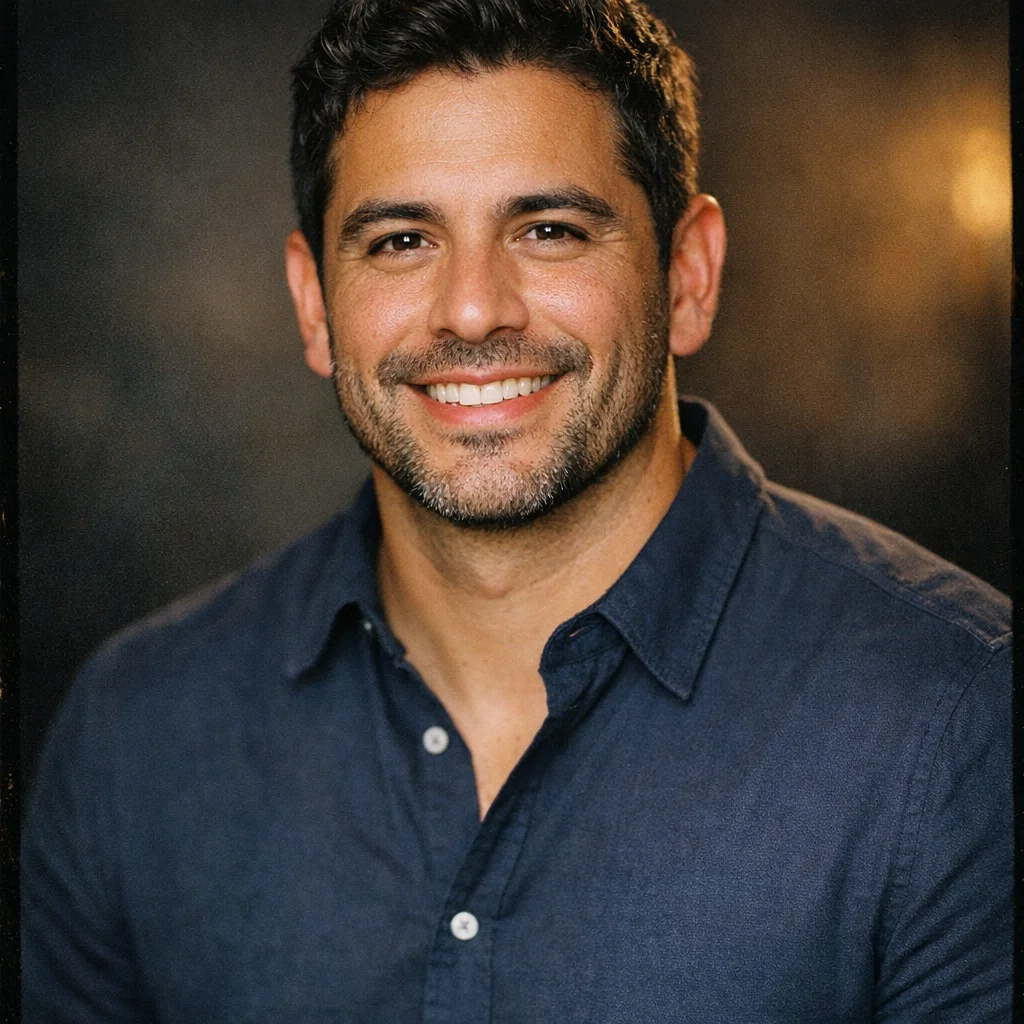


Your Strategy Coach
"The best players don't rely on luck - they manufacture edges through superior decision-making. Every concept on this page is battle-tested from millions of hands. Study, apply, review, repeat."
Beginner Fundamentals
BeginnerMaster these core concepts before moving on. They form the foundation of profitable poker.
Position Play
Position is your most powerful weapon. Acting last gives you information advantage on every street.
Key Insight: From the button, you see how everyone else acts before making your decision. This alone is worth 2-3 big blinds per 100 hands.
- Early position: Play tight (8-12% of hands)
- Middle position: Expand slightly (15-18%)
- Late position: Play loose (22-30%)
- Button: Most profitable seat at the table
Starting Hands
Not all hands are created equal. Learn which hands to play and from which positions.
Premium Hands: AA, KK, QQ, AKs - Always raise these from any position.
- Pocket pairs: Value depends on position
- Suited connectors: Best in late position
- Broadway cards: AK, AQ, KQ are strong
- Avoid weak aces (A2-A9 offsuit)
Pot Odds
The mathematical foundation of poker decisions. Compare what you risk to what you can win.
Formula: Pot Odds = Call Amount / (Pot + Call Amount). Compare to your equity to decide.
- $50 call into $150 pot = 25% pot odds
- Need 25%+ equity to call profitably
- Flush draw on flop: ~35% equity
- Open-ended straight draw: ~31% equity
Intermediate Concepts
IntermediateReady to level up? These concepts separate break-even players from consistent winners.
Hand Ranges
Stop putting opponents on single hands. Think in ranges - the full spectrum of possible holdings.
Example: UTG open range might be: AA-22, AKo-ATo, KQo, AKs-A2s, KQs-KTs, QJs-54s
- Assign ranges based on position & action
- Narrow ranges as hand progresses
- Consider what you'd do with their range
- Use software to study range interactions
Board Texture
The community cards determine who has the advantage. Learn to read board texture instantly.
Dry Board: K-7-2 rainbow favors the preflop raiser. Wet Board: J-T-9 with flush draw favors caller's range.
- Paired boards: Reduce combos significantly
- Connected boards: More draws possible
- High vs low boards: Range advantage shifts
- Monotone flops: Flush completed or drawing
Bet Sizing
Your bet size tells a story. Learn to size bets based on your goals and board texture.
General Rule: Bet larger on wet boards (70-100% pot), smaller on dry boards (25-50% pot).
- Value bets: Size to maximize calls
- Bluffs: Size to maximize fold equity
- Protection: Deny equity to draws
- Polarized ranges: Use larger sizes
Advanced Topics
AdvancedFor serious players looking to compete at higher stakes and against tough opponents.
GTO Basics
Game Theory Optimal play creates an unexploitable baseline strategy. Essential for high-stakes competition.
What is GTO? A mathematically optimal strategy that cannot be exploited. If you play GTO perfectly, no opponent can profit against you long-term, regardless of their strategy.
- Balance value bets with bluffs at correct ratios
- Mix frequencies in spots where multiple actions are correct
- Use solvers to study optimal frequencies
- GTO is a foundation - exploit when opponents deviate
Vee's Take: "Learn GTO as your baseline, then deviate to exploit. You can't exploit properly without understanding what optimal looks like."
Exploitative Play
Identify and exploit opponent weaknesses. The key to maximizing profit against recreational players.
Core Principle: Deviate from GTO in the opposite direction of your opponent's mistakes. If they fold too much, bluff more. If they call too much, value bet thinner.
- Profile opponents: Tight, loose, passive, aggressive
- Adjust bet sizing based on tendencies
- Target specific leaks with counter-strategies
- Don't bluff calling stations, don't value bet nits
Vee's Take: "Against weak players, pure exploitation prints money. GTO is overkill at micro and low stakes - focus on punishing mistakes."
Strategy by Game Type
Different formats require different approaches. Master the nuances of each game type.
Cash Game Strategy
Deep stack playCash games reward patience and precision. Stacks are deep, allowing for complex post-flop play.
- Play tight from early positions
- Focus on post-flop edges
- Table select aggressively
- Manage tilt - leave bad sessions
- Standard bankroll: 20-30 buy-ins
Tournament Strategy
MTT masteryTournaments require adapting to changing stack depths and ICM pressure. Survival meets aggression.
- Survive early, accumulate late
- Understand ICM implications
- Adjust to bubble dynamics
- Final table requires unique skills
- Standard bankroll: 100+ buy-ins
Sit & Go Strategy
Short-handed focusSNGs combine tournament structure with quick, repeatable play. ICM knowledge is essential from the start.
- Play extremely tight early
- Aggression increases as blinds rise
- Bubble play is paramount
- Heads-up skills determine ROI
- Standard bankroll: 50+ buy-ins
Common Mistakes to Avoid
Even experienced players fall into these traps. Eliminating leaks is often more profitable than adding new skills.
Playing Too Many Hands
VPIP over 25% in full ring is a major leak. Tighten up, especially from early positions.
Ignoring Position
Playing the same hand the same way regardless of position throws away edge. Position matters more than cards.
Passive Play
Calling too much instead of raising. Betting and raising wins pots - calling rarely does.
Poor Bankroll Management
Playing stakes your bankroll can't support leads to ruin. Even winning players go broke without proper BRM.
Tilting After Bad Beats
Emotional decisions cost money. One bad beat doesn't justify 10 bad plays. Take breaks when frustrated.
Chasing Losses
Moving up stakes to "get even" is a recipe for disaster. Stick to your bankroll rules regardless of session results.
Overvaluing Top Pair
Top pair is a medium-strength hand. Don't stack off with it against significant aggression.
Not Studying Away from Tables
Volume without study leads to stagnation. Review hands, use training tools, and analyze your play regularly.
Recommended Resources
Accelerate your learning with these vetted resources. Investment in education pays dividends at the tables.
Essential Books
Strategy Tools & Guides
Put theory into practice with these essential tools and detailed guides.
Bankroll Management Calculator
Calculate proper stakes for your bankroll
Poker Odds Calculator
Calculate equity and pot odds instantly
Hand Analyzer
Review and analyze your played hands
Complete Beginner's Guide
Start from scratch with our full tutorial
GTO Deep Dive
Comprehensive game theory guide
Tournament ICM Guide
Master Independent Chip Model
Ready to Apply Your Skills?
Practice what you've learned at the best online poker sites. Start with low stakes and build your way up.