


Poker Hand Analyzer

Get Vee's expert analysis on your Texas Hold'em hands.
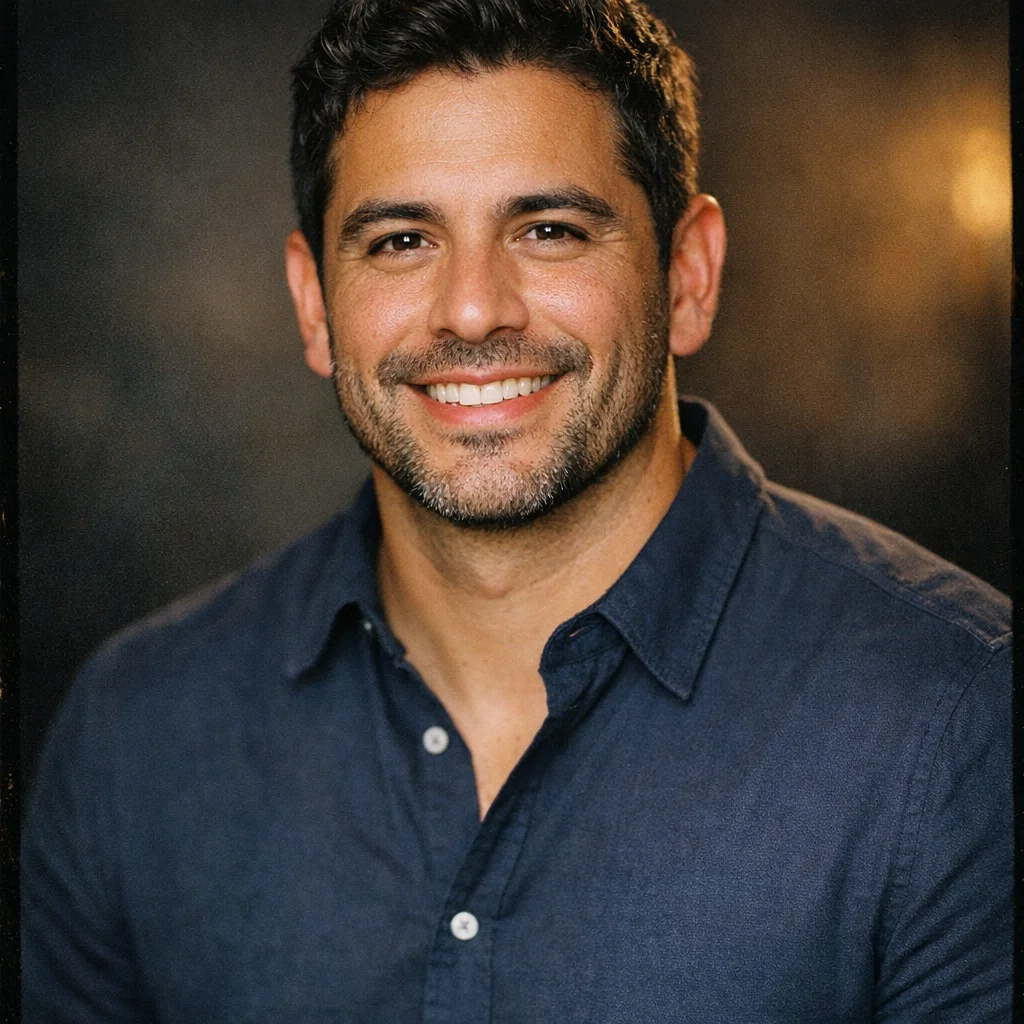
Victoria "Vee" Chen
$2M+ tournament earnings. Let me analyze your hand and give you my honest assessment. Remember: poker is about making the best decision with incomplete information.
How to Use the Analyzer
1. Select Your Hole Cards: Click two cards from the deck that represent your private hand.
2. Choose Your Position: Select where you're sitting at the table - this dramatically affects hand strength and playability.
3. Select the Street: Choose preflop, flop, turn, or river depending on the stage of hand you're analyzing.
4. Add Community Cards: For postflop analysis, select the board cards you want to evaluate against.
Your Hole Cards
Community Cards (Board)
Your Position
Hand Analysis
Vee's Analysis
Professional perspective on this hand
Hand Assessment
-
Position Consideration
-
Recommended Action
-
Understanding Poker Hand Rankings
Complete Hand Ranking Chart (Strongest to Weakest)
1. Royal Flush
A-K-Q-J-10, all same suit. The absolute strongest hand - only 4 possible combinations exist in all of poker.
2. Straight Flush
Five consecutive cards, all same suit. Extremely rare (36 combinations total). Most players never see one in their poker lifetime.
3. Four of a Kind (Quads)
Four cards of same rank (e.g., four Kings). Beats all hands except straight flush. Odds: 1 in 4,165 hands.
4. Full House
Three of a kind plus a pair. Example: three 7s and two Kings (written as 7s full of Kings). Odds: 1 in 694 hands.
5. Flush
Any five cards of the same suit (not consecutive). High card determines flush strength. Odds: 1 in 509 hands.
6. Straight
Five consecutive cards of mixed suits. Ace can be high (10-J-Q-K-A) or low (A-2-3-4-5). Odds: 1 in 255 hands.
7. Three of a Kind (Trips/Set)
Three cards of same rank. A set is trips made with pocket pair, trips made from board cards. Odds: 1 in 47 hands.
8. Two Pair
Two different pairs (e.g., pair of Aces and pair of Kings). Kicker (fifth card) breaks ties. Odds: 1 in 21 hands.
9. One Pair
Two cards of same rank. Most common hand made. High card kickers matter. Odds: 1 in 2.4 hands.
10. High Card
No pairs, straights, or flushes. Worst possible hand category. Ace-high beats King-high. Requires strong reads to win.
Common Hand Analysis Scenarios
Scenario 1: Pocket Aces (Preflop)
Hand: A♠ A♦ | Position: Button | Street: Preflop
This is the absolute best starting hand in Texas Hold'em. Pocket Aces have 85% equity against random hands and win 31% of the time against two random opponents. Action: Raise from any position, 3-bet for value against opens, and maximize the pot. Don't slowplay - value is value. Be willing to put money in the middle with confidence. Even when called, you still have roughly 50-50 equity against a single opponent.
Scenario 2: Suited Connectors (Middle Position)
Hand: 9♥ 8♥ | Position: Middle | Street: Preflop
Suited connectors (9-8s) have potential but weak strength preflop. They only have 20% equity against a strong hand and need favorable implied odds. From middle position, only call if 2-3 weak players in the pot. Out of position? Fold unless getting exceptional odds. These hands make money by hitting flushes/straights, not by winning preflop battles. Bankroll management means playing them carefully.
Scenario 3: Pocket Eights (Small Blind)
Hand: 8♠ 8♣ | Position: Small Blind | Street: Preflop
Mid-pair from small blind is playable in specific situations. Against early position raises, folding is often correct (only 35-40% equity). Against button/cutoff opens, calling is standard if the big blind is tight. Never get out of line - pocket eights aren't premium. If facing a 3-bet from early position, fold. Respect position and opponent ranges. The small blind position is difficult because you act second postflop, not last.
Scenario 4: Ace-King Offsuit (Early Position)
Hand: A♠ K♣ | Position: Under the Gun | Street: Preflop
AK is a strong but tricky hand - it hasn't hit the flop if no A or K comes. Preflop it's powerful (37% equity against two random hands). From UTG, standard play is opening to 3-4bb. If facing a 3-bet, you can 4-bet for value. Postflop, if you miss (no A or K), be cautious. You have two overcards plus you beat mid-pairs and small pairs, but you're still drawing. Never fall in love with unpaired AK - hit the flop or fold cautiously.
Position-Based Strategy Guide
Early Position (UTG, UTG+1)
Key Concept: Early position is the most difficult because you act first postflop. This positional disadvantage means you should play a tight, strong range.
Recommended Range: Premium pairs (JJ+), premium broadways (AK, AQ), premium aces (AA, AKs)
Why Tight? When you act first, opponents have maximum information and positional advantage. You're playing your hand in the dark. Tight range compensates by increasing hand strength. Profitability from UTG comes from premium starting hands and solid postflop play, not wide ranges.
Middle Position (MP, Lojack, Hijack)
Key Concept: Middle position allows slightly wider opening ranges than early position. You have more information but still act before cutoff and button.
Recommended Range: Premium pairs (TT+), premium broadways (AK, AQ, KQ), suited connectors (9-8s, 8-7s with proper odds), gapped hands (J-9s)
Strategy Shift: From middle position, you can profitably add speculative hands that make money from implied odds. Suited connectors hit strong draws, so they make money when you hit while giving good implied odds. Play these hands for set mining and straight draws, not for high card value.
Late Position (Cutoff, Button)
Key Concept: Late position is the most profitable. You have maximum positional advantage and are guaranteed to act last postflop. This allows you to play much wider ranges profitably.
Recommended Range: Nearly all premium hands, many mid-tier hands, broadway combinations, many suited hands, some unsuited combos, suited aces, pocket pairs (all of them)
Why So Wide? Position allows you to control pot size and steal blinds profitably. You see action before deciding - that information is worth money. Even weak hands play well from button when everyone folds to you. Strong players win significantly more money from button than any other position.
Blind Positions (Small Blind, Big Blind)
Key Concept: Blind positions are unique - you have half your bet in already (small blind) or have a "free look" (big blind). Play becomes complex because you have forced investments.
Small Blind Strategy: Small blind is nearly impossible to play profitably. You're out of position and must invest money to continue. Generally, fold marginal hands. Call with premium hands, 3-bet with strongest hands. Avoid marginal situations where you're unsure.
Big Blind Strategy: You get a "free look" preflop, which justifies calling with weaker hands. However, don't overdo it. Call with hands that play well against the raise sizes and expected flop texture. If facing a big 3-bet, fold unless your hand is premium.
Common Beginner Poker Mistakes
Mistake #1: Playing Too Many Hands
Most beginner losses come from playing marginal hands. You can't make money on weak equity. Tighten your starting hand selection - play only hands that are clearly profitable. AK, QQ, suited connectors from button - yes. Q-9 offsuit from early position - no. Better to fold one profitable hand per session than play one unprofitable hand.
Mistake #2: Ignoring Position
Position is the most important factor in poker. Early position is harder than late position - mathematically, period. Don't play the same hands from UTG as you play from button. Position determines range, sizing, bluffing frequency, and virtually everything. Players who respect position win vastly more than those who don't.
Mistake #3: Not Adjusting to Opponents
The same hand strength means different things against different players. Tight players raise less frequently, so their opens are stronger. Loose players raise constantly, so you need better equity to call. Study your opponents before deciding on action. Adjust your play based on their tendencies. Static strategy beats no one consistently.
Mistake #4: Overvaluing High Cards
King-Queen looks strong but has only 35% equity against a strong hand. Ace-Queen is playable but not premium - it whiffs the flop 68% of the time. New players fall in love with high cards. Remember: postflop, you have to actually hit something. High cards alone rarely win big pots. Playable ≠ premium.
Mistake #5: Not Considering Pot Odds
Pot odds determine whether you should draw to a hand. If you're 4-to-1 underdog and pot is offering 5-to-1 odds, call. If offering 3-to-1, fold. Simple math. Most beginners ignore this completely. They "feel" hands are good instead of calculating. Learn pot odds - it single-handedly improves decisions dramatically.
Frequently Asked Questions
Q: What's the difference between a Set and Trips?
A set is three of a kind made when you have a pocket pair that matches a board card (pocket Kings on a K-7-2 board). Trips is three of a kind made when you have one card in your hand that matches two board cards (you hold K-2 on a K-7-K board). Both beat two pair and one pair, but sets are hidden and stronger because opponents can't see your strength. Sets win bigger pots because they're disguised.
Q: Should I ever fold pocket Aces before the flop?
Extremely rarely. Pocket Aces are statistically the strongest starting hand and win money from any position against any reasonable opponent. Exceptions: if you identify a perfect scenario where folding is correct (impossible at most stakes). General rule - never fold AA preflop in normal circumstances. Even if you lose, at least you're losing with the best hand.
Q: How do I know when to fold vs. call a raise?
Compare your hand equity to pot odds. If your equity exceeds the odds you're getting, call. Example: 45% equity facing 2-to-1 odds (33%) means call. The same hand facing 2.5-to-1 odds (28%) means call because 45% > 28%. Math removes emotion. Another factor: position. Calling from position is safer than out of position because you control the pot postflop.
Q: Is bluffing necessary to win poker?
No, especially at lower stakes. Tight, value-focused play beats most recreational players. However, some bluffing adds balance to your range, prevents exploitation, and wins pots when you miss. Rarely bluff against weak players - they call too much. Bluff against strong players who fold too much. Mix in some bluffs but focus 80% of your decisions on strong hands and solid fundamentals.
Q: How much bankroll do I need to play poker safely?
A solid bankroll is 20-30 buy-ins for your stake. Playing $1/$2 cash? Have $40-60 minimum set aside for poker only. This protects you from variance and prevents going broke during downswings. Never play with money you need or can't afford to lose. Poker has variance - good players experience 100-buy-in downswings. Proper bankroll management separates professionals from gamblers.
Expert Hand Analysis Tips
Understanding Hand Ranges
Think in ranges, not specific hands. Your opponent doesn't have one exact hand - they have a distribution of possible hands based on their actions. Advanced players construct ranges by position, previous action, and opponent tendencies. This analytical approach separates winning players from losers.
Position Mathematics
In Texas Hold'em, you can mathematically justify opening wider from button than from UTG. Button opens 60% of hands profitably. UTG opens only 15-20%. This positional advantage continues postflop - late position acts last, seeing all opponent actions before deciding. Position determines profitability more than hand quality.
The Concept of Fold Equity
Fold equity is the additional value gained when your opponent folds. Example: K-Q has 35% equity against AA, but if you bet and opponent folds 30% of the time, your total EV includes 30% chance of winning immediately. This is why aggression matters - it adds a "fold equity" component to your hand value.
Stack Depth Implications
100BB stacks play fundamentally differently than 20BB stacks. Deeper stacks allow more postflop play and widened ranges. Short stacks (under 15BB) become push-fold territory. This hand analyzer assumes standard stack depths - adjust your analysis based on actual chip stacks in your game.
Deepen Your Poker Knowledge
Use these complementary tools and guides to improve your poker game:
Bankroll Calculator
Calculate your poker bankroll requirements based on stakes and risk tolerance.
Learn more →RTP & Variance Guide
Understand house edge, RTP percentages, and variance in casino games.
Learn more →Live Poker Games
Explore live poker rooms and best platforms for real-money games.
Learn more →Responsible Gaming
Set limits, manage finances, and practice healthy gambling habits.
Learn more →Advanced Hand Analysis Questions
Q: How do ICM (Independent Chip Model) considerations affect hand selection?
ICM is critical in tournaments near the bubble. Near bubble, chip value isn't linear to chip quantity. A short stack needs hands with higher all-in equity because tournament survival matters more than long-term EV. Conversely, chip leaders can play tighter, accepting smaller +EV opportunities. This tool assumes cash game dynamics - adjust for tournament ICM considerations when bubbling.
Q: What's the difference between hand equity and hand strength?
Equity is mathematical - your hand's probability of winning if both players go all-in. Strength is contextual - how your hand performs in your current situation. A hand can have 40% equity but be strong in position with fold equity. Conversely, hands can have 55% equity but be weak if out of position with bad texture. This analyzer shows equity; you apply strength judgment based on situation.
Q: How do blockers affect your hand analysis?
Blockers reduce opponent's possible holdings. If you hold the Ace of Spades, opponent has fewer Aces in their range. This reduces their premium hand frequency. Holding blockers to strong hands (like Aces, Kings) makes your speculative hands stronger - you've reduced their premium holdings. This is why AK blocks so well and plays better than AQ - you're blocking their premium AA, AK holdings.
Q: Can hand strength change between streets?
Absolutely. A hand can be strong preflop but weak postflop, or vice versa. Example: Small pocket pair is strong preflop (high against random hand), but weak on ace-high board postflop (high card will split many hands). Conversely, suited connectors are weak preflop (low equity) but can be strong postflop with draws and made hands. Street texture dramatically affects relative strength.
Q: Should this analyzer replace my poker books and study?
No. This analyzer is a tactical tool for specific situations. Your strategic foundation comes from comprehensive poker study - books like "Poker Fundamentals" and hand history review. Use this analyzer to validate your thinking in real moments, not as a replacement for deeper study. The best players combine analytical tools with conceptual understanding built through extensive study and experience.
Managing Variance & Downswings
Even strong poker players experience extended losing periods due to variance:
Winning players experience 50-100 buy-in downswings
If you're a 60% win-rate player (genuinely strong), you'll still experience periods losing 50 consecutive buy-ins. This is mathematically inevitable due to variance. Bankroll management must account for these swings. Overconfidence (thinking variance won't affect you) causes ruin.
Psychological toughness matters as much as skill
During downswings, emotion tempts you to play higher stakes to "recover losses" faster. This cascades into ruin. Champions maintain discipline, accept variance, and trust their system. Emotional control beats analytical skill in long-term profitability.
Track your results rigorously
Record every session - stakes played, session profit/loss, time played, notable hands. After 100+ sessions, analysis reveals patterns your intuition misses. Are you losing money? Which positions/situations drain your bankroll? Data-driven analysis improves decisions more than thinking alone.
Continue Your Poker Education
This hand analyzer is one tool in comprehensive poker development. Combine with dedicated study for maximum improvement:
Study Hand Histories
Review your own decisions against this analyzer. Where did your intuition differ from math? Those gaps reveal improvement areas.
Join Poker Communities
Reddit poker forums, Discord communities, and local poker clubs provide peer learning and feedback loops that accelerate skill development.
Watch Educational Content
YouTube poker educators break down advanced concepts. Combine visual learning with this analytical tool for comprehensive understanding.
Play Regularly
No tool replaces table experience. Use this analyzer between sessions to benchmark your decisions. Combine analysis + play for exponential improvement.
How to Use This Analyzer Effectively
Before Hand Selection
Understand your table dynamics and opponent styles. This analyzer assumes generic conditions - adjust recommendations based on your specific table. Tight games play tighter. Loose games play wider. Passive games play differently than aggressive games.
After Hand Selection
Use the position and equity information to validate your intuition. Does the math support your read? Or is your read contradicting the math? Over time, combining analytical feedback with table intuition creates superior decision-making.
Continuous Improvement
Track which hand recommendations you followed and which you deviated from. Analyze outcomes. This feedback loop accelerates learning. After 100+ hands analyzed and played, you'll internalize these concepts and rely less on external tools.
Hand Analyzer FAQ
What hand strength should I be for a shove?
Short stack (3-7 BB): Any hand 45%+ equity. Medium stack (8-15 BB): Premium or Strong hands. Deep stack: Only Premium hands unless position advantage.
Are these equity numbers accurate?
Equity values are estimates based on typical opponent tendencies. Actual equity depends on villain's specific hand range. Use this as directional guidance, not absolute law.
Should I memorize these recommendations?
Start by using the tool at tables. After analyzing 50+ scenarios, patterns become intuitive. Memorization follows understanding - don't skip the learning phase.