


Grand National 2026

The world's most famous steeplechase. A gruelling test of stamina and jumping ability over 4 miles and 30 fences at Liverpool's historic Aintree Racecourse.
Race History & Traditions
A Race Like No Other
First run in 1839, the Grand National is the most prestigious steeplechase in the world. The race takes place annually in early April at Aintree Racecourse near Liverpool, attracting a global audience of over 600 million viewers.
The unique challenge of the Grand National lies in its extraordinary length and the famous Aintree fences. Unlike any other race, competitors must navigate 30 formidable obstacles over two circuits of the course, testing the endurance and jumping ability of horse and jockey to the absolute limit.
The race has produced countless memorable moments, from Red Rum's historic three victories (1973, 1974, 1977) to Tiger Roll's back-to-back wins in 2018 and 2019. It remains one of Britain's most-watched sporting events and the highlight of the National Hunt calendar.
Key Statistics
- First Running 1839
- Course Record 8m 47.8s (Mr Frisk, 1990)
- Most Wins (Horse) Red Rum (3)
- Most Wins (Jockey) Brian Fletcher (3)
- Most Wins (Trainer) Ginger McCain (4)
- Biggest SP Winner 100/1 (multiple)
Famous Fences of Aintree
The Grand National course features 16 unique fences, jumped twice during the race. Here are the most notorious obstacles that have shaped the race's legendary status.
Becher's Brook
Height: 4ft 10in | Drop: 6ft 9in
Named after Captain Martin Becher who fell here in 1839 and hid in the brook to avoid the other runners. The severe drop on the landing side makes this the most feared fence on the course. Horses must be bold yet careful.
The Chair
Height: 5ft 2in | Width: 6ft (ditch)
The tallest and narrowest fence on the course, jumped only once. The 6-foot open ditch in front demands perfect timing and courage. Named after the "distance chair" that once stood nearby to mark the final furlong.
Canal Turn
Height: 5ft | 90-degree turn
A plain fence followed by an immediate 90-degree left turn towards the canal. Horses on the inside have an advantage but must judge their line perfectly. The sharp turn after landing catches out many runners.
The Open Ditch
Height: 5ft | Ditch: 6ft
The first open ditch of the race, this fence introduces horses to Aintree's unique challenges early. The yawning ditch in front requires accurate jumping and can unsettle inexperienced runners.
Valentine's Brook
Height: 5ft | Drop: 5ft 6in
Named after a horse that fell here in 1840, legend says Valentine survived by landing on his head and somersaulting back to his feet. The drop isn't as severe as Becher's but still demands respect.
The Water Jump
Height: 2ft 6in | Water: 12ft wide
The smallest fence but most spectacular to watch. Jumped only once in front of the packed grandstands. The wide water splash catches out horses that don't extend their stride sufficiently.
How to Bet on the Grand National
Popular Bet Types
-
Win Only
Back a horse to finish first. Highest risk but best odds.
-
Each-Way
Two bets: one to win, one for a place (usually 1-4). Most popular bet type for the National.
-
Place Only
Back your horse to finish in the places. Lower odds but higher chance of return.
-
Forecast/Tricast
Predict the first two (forecast) or three (tricast) in correct order.
Betting Tips
- 1. Check Aintree Form - Previous experience over the National fences is invaluable.
- 2. Weight Matters - Horses carrying less than 11st have a better record historically.
- 3. Age Profile - Winners tend to be aged 8-10. Both extremes struggle with the demands.
- 4. Going Preference - Soft ground specialists fare better; the race is run in early April.
- 5. Shop Around - Use our bookmaker comparison to find the best odds and extra places.
Best Bookmakers for Grand National 2026
Compare the best Grand National betting offers including enhanced odds, extra places, and money-back specials.
Bet365
Best Odds Guaranteed + 6 Places Each-Way
Live streaming, early prices, comprehensive racing coverage
Betfair Sportsbook
Money Back as Cash if 2nd to SP Favourite
Exchange betting available, best prices through Betfair Exchange
Paddy Power
Money Back Special - If Your Horse Falls
Famous for Grand National specials and enhanced odds
William Hill
7 Places Each-Way + Best Odds Guaranteed
Extra places for large field races, early prices
Coral
Enhanced Odds + Free Bet Club
Build Your Bet feature, racing tips and analysis
18+. T&Cs apply. BeGambleAware.org. Offers subject to change closer to race day.
Previous Grand National Winners
| Year | Winner | Jockey | Trainer | SP | Age/Weight |
|---|---|---|---|---|---|
| 2025 | TBC | - | - | - | - |
| 2024 | I Am Maximus | Paul Townend | Willie Mullins | 11/2 | 8yo / 11-6 |
| 2023 | Corach Rambler | Derek Fox | Lucinda Russell | 15/2 | 9yo / 11-2 |
| 2022 | Noble Yeats | Sam Waley-Cohen | Emmet Mullins | 50/1 | 7yo / 10-11 |
| 2021 | Minella Times | Rachael Blackmore | Henry de Bromhead | 11/1 | 8yo / 10-3 |
| 2019 | Tiger Roll | Davy Russell | Gordon Elliott | 4/1F | 9yo / 11-5 |
| 2018 | Tiger Roll | Davy Russell | Gordon Elliott | 10/1 | 8yo / 10-13 |
| 2017 | One For Arthur | Derek Fox | Lucinda Russell | 14/1 | 8yo / 11-0 |
| 2016 | Rule The World | David Mullins | Mouse Morris | 33/1 | 9yo / 10-7 |
| 2015 | Many Clouds | Leighton Aspell | Oliver Sherwood | 25/1 | 8yo / 11-9 |
Frequently Asked Questions
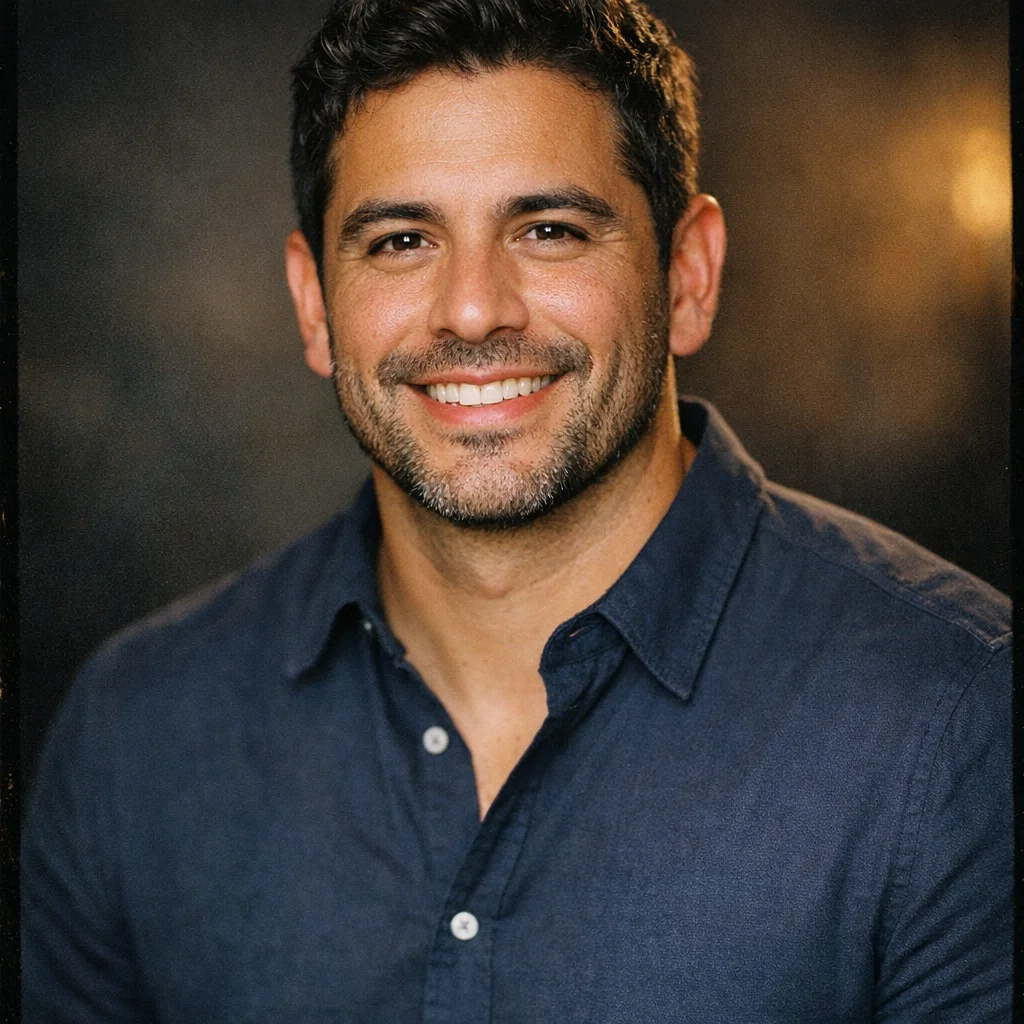
Prof. Gerry's National Preview
"The Grand National is not merely a race - it's a four-mile examination of courage, stamina, and jumping prowess. I've been studying this magnificent contest since 1976, and the key factors remain constant: previous Aintree experience, proven stamina, and crucially, the ability to switch off in the early stages. Look for horses who settle, save energy, and produce their effort after the second Becher's. That's where the race truly begins!"
Read Gerry's Full National Analysis